E
Environmental
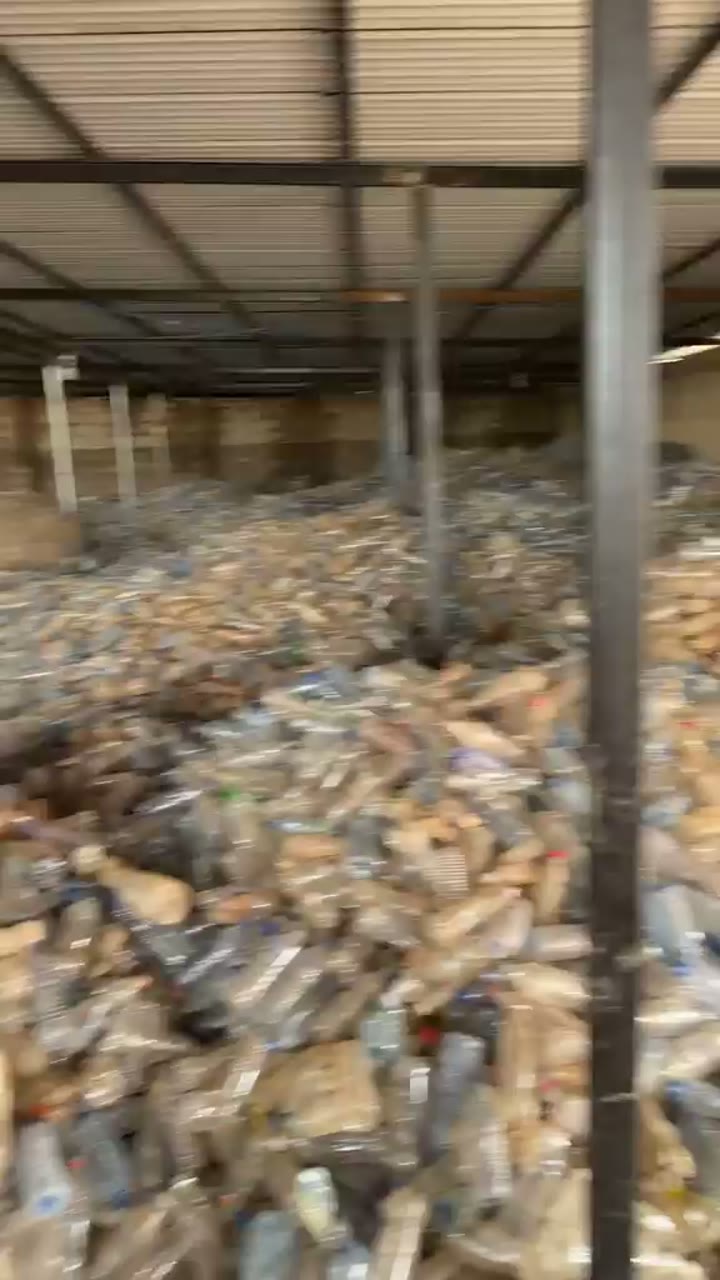
Plastic, metal, paper and glass kept out of drains, dumpsites and open burning, and turned back into raw material for manufacturers.
Impact
How our work lines up with the Sustainable Development Goals, what it does for the climate, and how we prove it with records, not estimates.
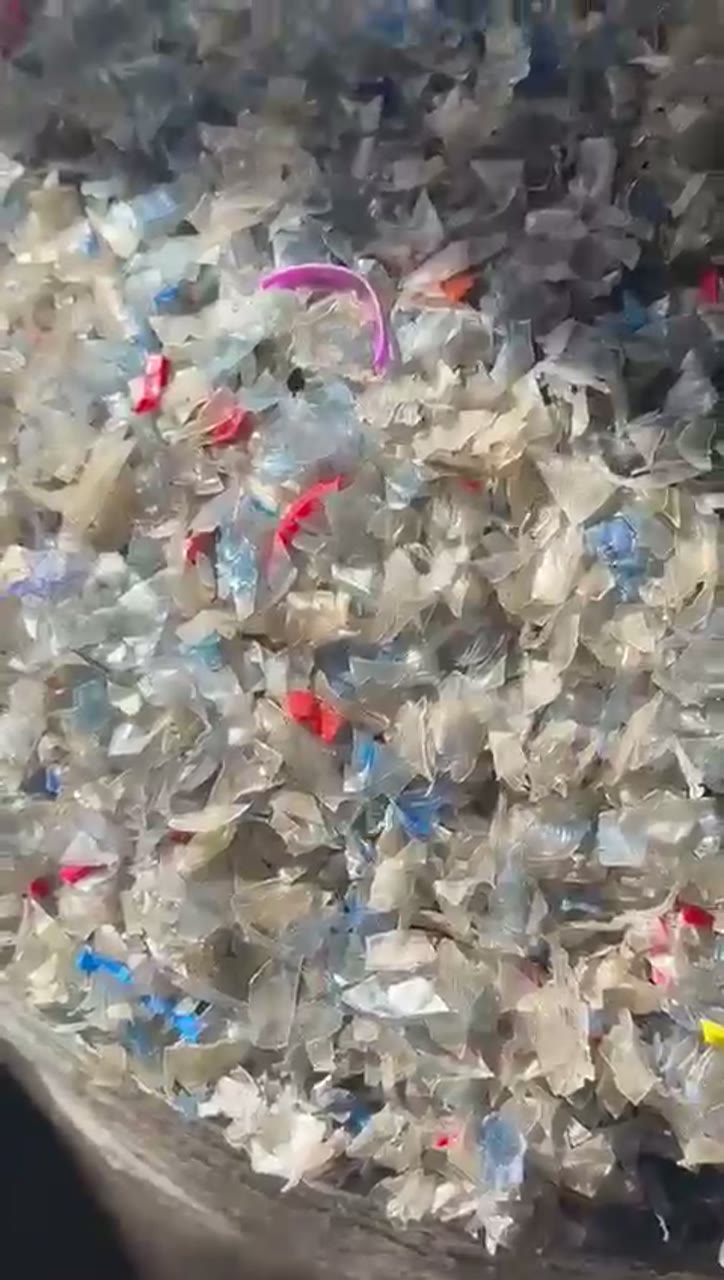
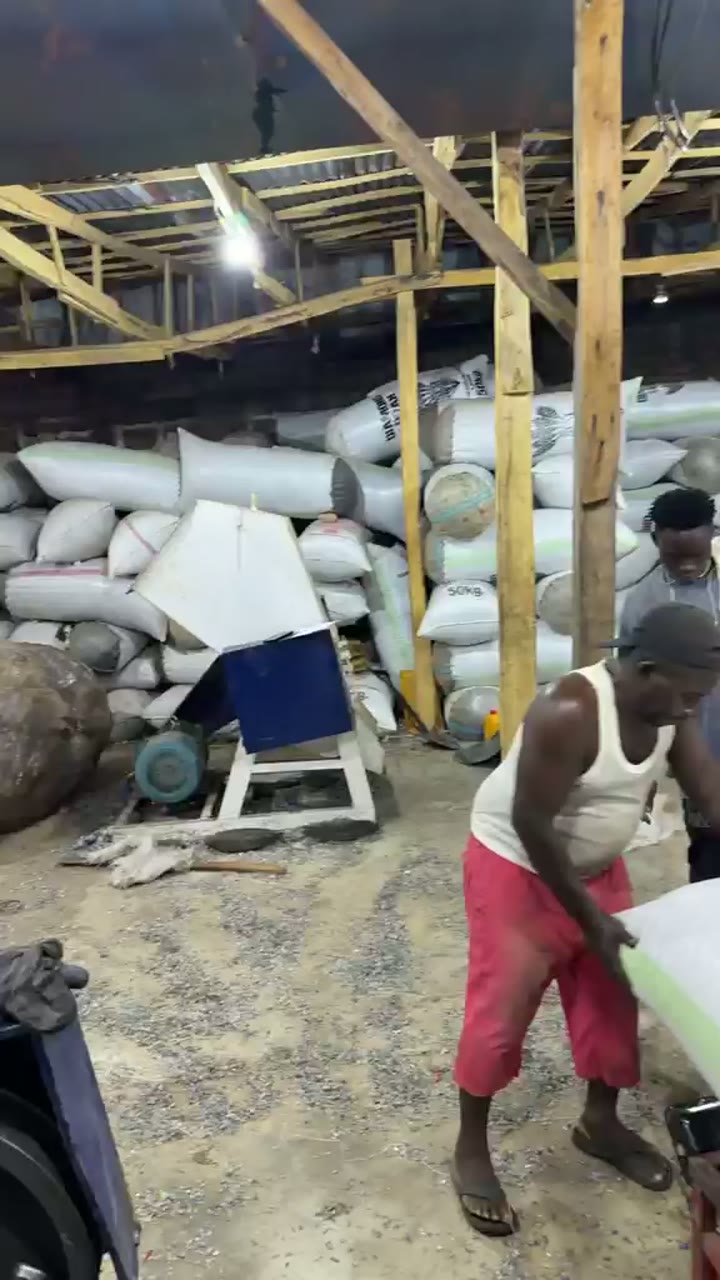
We don't claim to be net zero, and we won't put a number on our impact until we can prove it. What we can show is the work: material bought by weight, sorted, processed and sent back to factories, with every kilogram on the record.
Environmental, social, governance
Plastic, metal, paper and glass kept out of drains, dumpsites and open burning, and turned back into raw material for manufacturers.
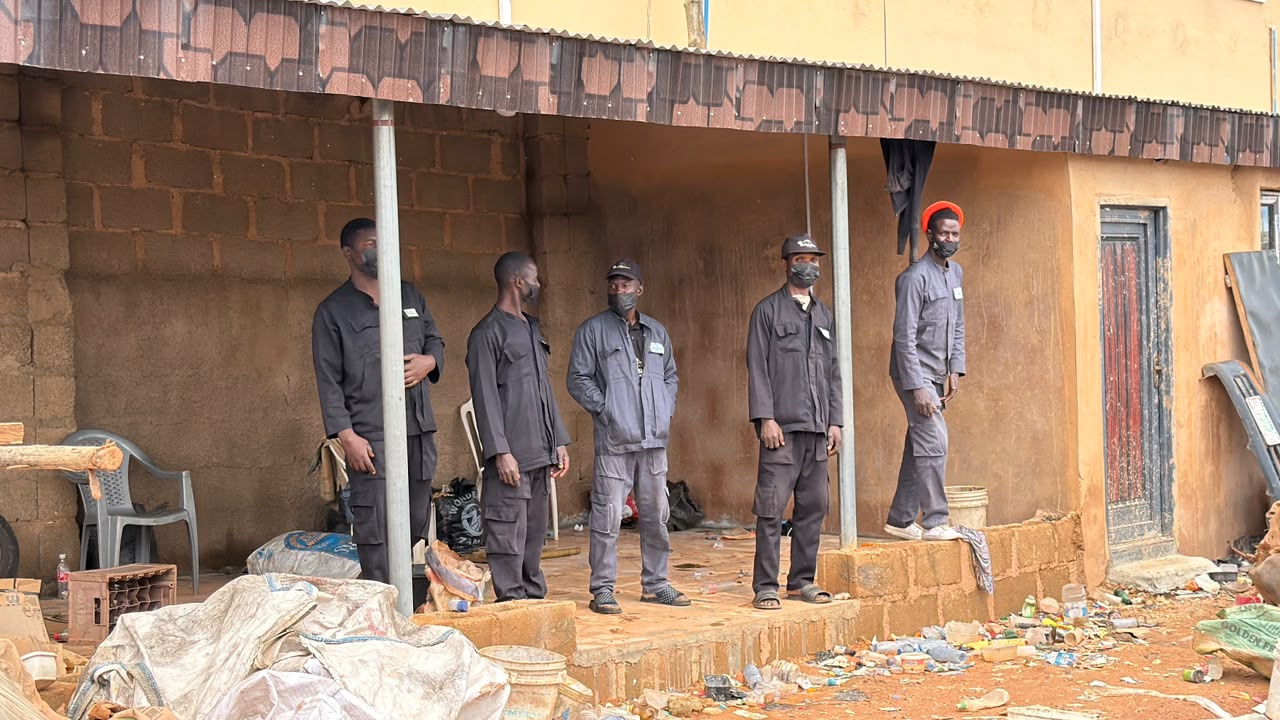
Income for collectors, sorters, drivers and machine operators. Fair, open payment by weight, done in front of the seller. Safe work at the yard.
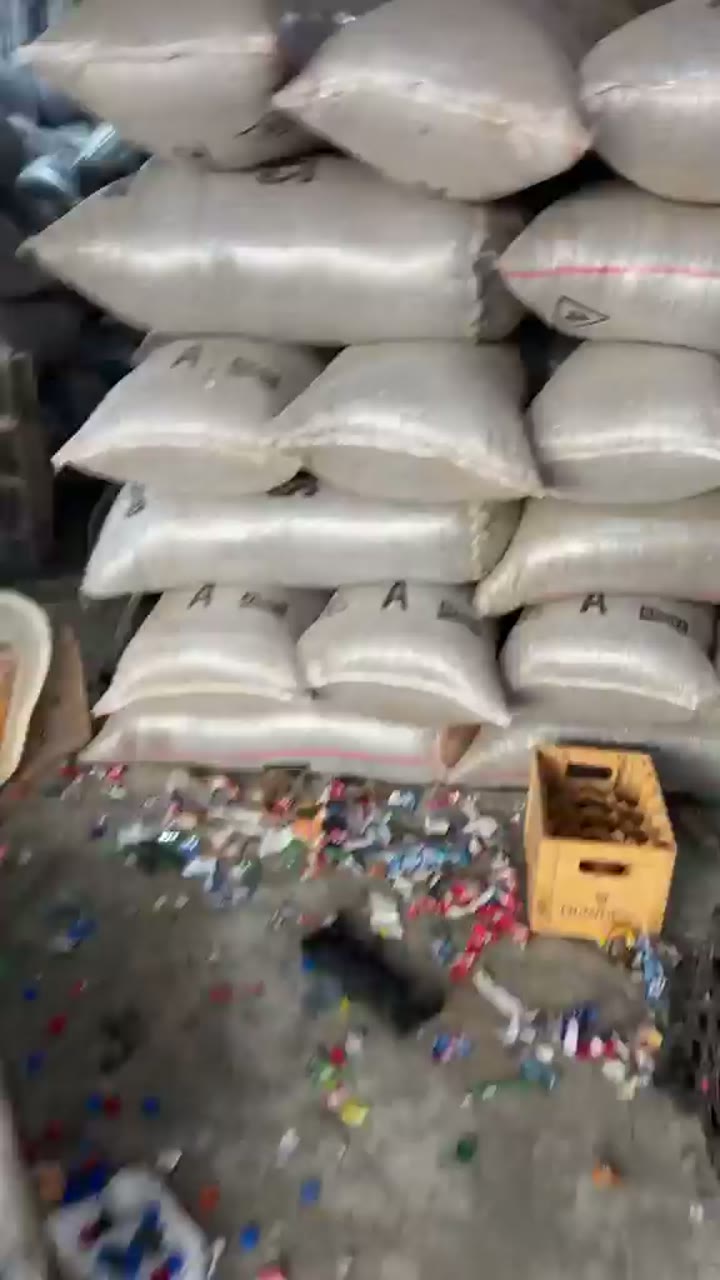
Every purchase, transfer, sale and naira recorded in RecycOS, with a ledger that balances. Records a funder, auditor or buyer can follow.
Sustainable Development Goals
We only list goals our work touches directly. Each one comes with what we actually do.
Recycling pays people. Collectors and households earn from material they would have thrown away, and the yard employs sorters, drivers and machine operators.
Fewer bottles in drains means fewer blocked gutters and less flooding. Pickups from homes, estates, offices and markets keep streets cleaner.
Sorted, ground and baled material goes back to manufacturers as raw material, closing the loop on packaging.
Making products from recycled material takes far less energy than making them from new, and keeps waste away from open burning.
Plastic picked up on land is plastic that never reaches a river or the sea.
Our Waste Education Club and the Waste Heroes series teach children why waste has value, in English, Pidgin and Hausa.
Climate
New plastic starts as oil and gas. New aluminium and steel start as ore that has to be mined and smelted. Recycled material skips most of that, and with it most of the energy and emissions. Waste we collect also stays out of open burning and dumpsites.
Every kilogram we buy, sort, process and sell is weighed and recorded in RecycOS, by material.
Avoided emissions worked out from those weights using recognised emission factors, with the method published alongside.
Our first impact report once we have a full year of records. Until then, no figures.
Measured, not estimated
We built RecycOS to run Earthsavers, so the evidence funders and partners ask for is created as we work, not pieced together later.
Work with us
Nigeria's EPR rules ask brands to take responsibility for the packaging they put on the market. We recover it, and our records show where it went.
More collection points, more processing, more jobs. Every naira you put in can be followed through the same records we run the business on.
Bring the Waste Education Club or Waste Heroes to your school, or set up regular pickups for your estate or market.